
Creating Healing Environments: Embracing Patient-Centric Design in Healthcare Spaces
Walk into a hospital or clinic, and what do you feel? A sense of calm? Anxiety? A bit of both? The design of healthcare spaces plays a crucial role in shaping these emotions. As we face an ever-evolving landscape in healthcare, the focus on patient-centric design has never been more vital. It’s not just about efficiency or aesthetics; it’s about creating environments that foster well-being, trust, and comfort.
The Shift Towards Patient-Centricity
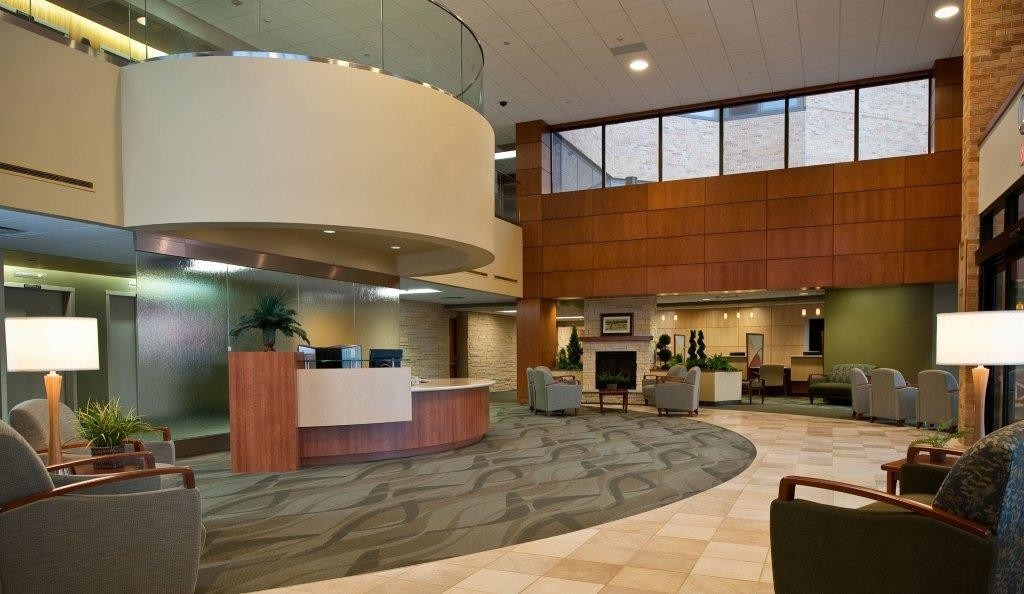
Long gone are the days where clinical spaces felt cold and impersonal. Think back to your last visit to a doctor’s office. The sterile walls, the beeping machines—it can leave you feeling more anxious than reassured. But things are changing. There’s a growing recognition that a patient’s experience begins the moment they step through the door. From welcoming waiting areas that give off a sense of warmth to examination rooms that enhance privacy, every corner of a healthcare space should reflect an understanding of patient needs.
Understanding Patient Needs
So, what exactly does patient-centric design entail? At its core, it’s about empathy and understanding. In a world filled with complex health issues and varying needs, the design should cater to individual experiences. This might mean incorporating easy navigation signs for those with cognitive impairments or designing spaces with adjustable lighting to create a more calming atmosphere.
It’s also about accessibility. Consider how frustrating it can be for someone in a wheelchair to navigate a facility that hasn’t been designed with their needs in mind. Ensuring accessibility isn’t just a checkbox; it’s a commitment to ensuring everyone feels welcome and cared for. Patient-centric design embraces all visitors, making the healthcare journey smoother for everyone.
Creating Calm in Chaos
Let’s talk ambience. The colors, textures, and even the smells in a healthcare facility can impact a patient’s experience. Soft blues and greens can evoke tranquility, while harsh fluorescent lights can exacerbate anxiety. Take the time to consider how interior design elements can amplify comfort. Quality dental and medical fitouts often focus on creating softer, more inviting spaces that feel less intimidating.
And remember, sound matters too! The constant beeping of machines or the distant sounds of medical staff can create an environment that feels overwhelming. Soft music or the subtle sound of water features can soothe frayed nerves. In my local clinic, they even have a lovely water fountain in the waiting area. It’s a small touch, but it makes a world of difference when you’re sitting there, waiting with a slight knot in your stomach.
Feedback Loops: The Patient’s Voice
Ever heard the saying, “Nothing about us without us”? Seeking feedback from patients is invaluable. After all, who knows better than the patients about what works and what doesn’t? Patient feedback can influence everything from the layout of waiting areas to the choice of furniture. Regular surveys or even informal chats can provide insights that professionals might overlook. It’s about creating a dialogue that helps refine and improve the space continuously.
Designing for Staff as Well
Let’s not forget the staff! A well-designed healthcare space should also consider the needs of the professionals working within it. A happy staff member translates to better patient care. Think about it: if the staff has a comfortable break room, sufficient storage for equipment, and an efficient layout, they’re more likely to approach their job with enthusiasm and compassion. In turn, that positive energy spills over to the patients. It’s a cycle that benefits everyone involved!
The Role of Technology in Design
Incorporating technology into healthcare design can be a game-changer. Telehealth has come to the forefront in recent years, and designing spaces to facilitate virtual consultations means keeping up with the modern needs of patients. Imagine a room designed not just for face-to-face consultations but also for seamless virtual check-ins. It’s these innovations that show a commitment to meeting patients where they are—literally.
Conclusion: Crafting the Future of Healthcare
The design of healthcare spaces speaks volumes about the values of the institution. By placing patients at the core of the design process, we send a message: their well-being is paramount. As we continue to reshape healthcare environments, let’s strive for spaces where patients feel heard, safe, and, dare I say, even a little pampered. After all, when spaces are thoughtfully designed, healing can begin far before the doctor enters the room.