
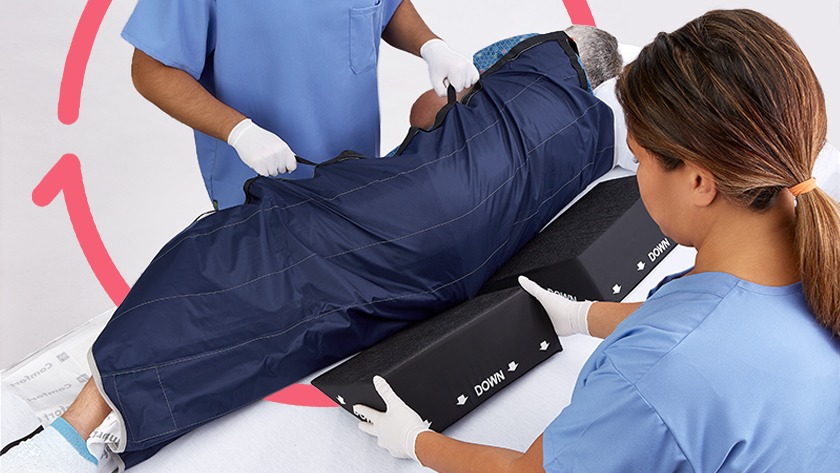
Key Features to Look for in Effective Pressure Care Solutions
Pressure-related discomfort and skin breakdown are common challenges for individuals with limited mobility, chronic health conditions, or extended periods of sitting or lying down. Without proper support, prolonged pressure on specific areas of the body can lead to pain, reduced circulation, and serious complications such as pressure injuries. This is where well-designed pressure care solutions play a vital role in improving comfort, health outcomes, and overall quality of life.
Choosing the right pressure care products requires more than just selecting a cushion or mattress. Effective solutions are built on thoughtful design, quality materials, and a deep understanding of how pressure affects the body. For individuals, caregivers, and healthcare providers alike, knowing what features truly matter can make a significant difference.
Below are the key features to look for when evaluating effective pressure care solutions.
Pressure Redistribution and Weight Distribution
One of the most critical aspects of pressure care is the ability to evenly distribute body weight. When pressure is concentrated on a single area—such as the hips, heels, or tailbone—it restricts blood flow and increases the risk of tissue damage. High-quality pressure care solutions are engineered to redistribute weight across a wider surface area, reducing stress on vulnerable points.
Advanced materials such as foam layers, gel inserts, or air cells adapt to the user’s body shape, helping minimize peak pressure zones. Products that provide consistent pressure redistribution are especially important for individuals who remain seated or bedridden for long periods.
Adaptive and Responsive Materials
Effective pressure care solutions respond to movement and changes in posture. Static products that do not adapt can lose effectiveness over time, particularly for users who shift position throughout the day.
Responsive materials contour to the body while maintaining enough support to prevent bottoming out. Memory foam, dynamic air systems, and gel-infused surfaces are commonly used to strike this balance. The best solutions adjust continuously, providing comfort without compromising structural integrity.
For Mobility and Wellness, selecting products with adaptive materials ensures users experience consistent support regardless of how often they move or reposition.
Breathability and Temperature Regulation
Heat and moisture buildup are often overlooked but play a significant role in skin health. Excess warmth and perspiration can weaken skin, increasing the likelihood of irritation or breakdown. Effective pressure care solutions prioritize airflow and temperature regulation to maintain a healthy microclimate at the skin’s surface.
Breathable covers, ventilated foam designs, and moisture-wicking fabrics help manage heat and humidity. These features are particularly important in warm climates or for users with limited mobility who may struggle to regulate body temperature.
By promoting airflow, pressure care products not only enhance comfort but also support long-term skin integrity.
Skin Protection and Friction Reduction
Pressure alone is not the only concern—shear and friction can be just as damaging. Shear occurs when layers of skin move in opposite directions, often during repositioning, while friction can cause surface irritation over time.
Well-designed pressure care solutions reduce friction through smooth, stretchable covers and low-shear surfaces. These materials allow the skin to move naturally without excessive resistance. In clinical and home settings alike, minimizing friction is essential for protecting fragile or aging skin.
Solutions that address both pressure and shear offer a more comprehensive approach to pressure care.
Durability and Long-Term Performance
Pressure care products are an investment in health and comfort, so durability matters. Materials that compress permanently or lose shape over time can compromise pressure redistribution and support.
High-quality pressure care solutions are built to maintain their performance even with daily use. Dense foams, reinforced air systems, and robust construction ensure the product remains effective over the long term. Durability is especially important for users who rely on these products as part of their daily mobility or care routine.
Mobility and Wellness emphasizes reliable solutions that continue delivering benefits well beyond initial use.
Ease of Cleaning and Hygiene Management
Maintaining hygiene is essential, particularly for individuals at higher risk of skin issues. Pressure care solutions should be easy to clean and designed with infection control in mind.
Removable, washable covers and fluid-resistant materials help prevent the buildup of bacteria and odors. Some products also feature antimicrobial treatments to support cleanliness between washes. Easy maintenance not only protects the user but also reduces the burden on caregivers.
Products that simplify cleaning encourage consistent use and help maintain a healthier environment.
Proper Support and Postural Alignment
Effective pressure care is not just about softness—it’s about balanced support. A solution that is too soft may allow the body to sink excessively, while one that is too firm can create pressure points.
The right pressure care products support proper spinal alignment and posture, particularly for seated users. Cushions and mattresses designed with ergonomic principles help maintain neutral positioning, reducing strain on muscles and joints.
Good postural support enhances comfort and can also improve breathing, digestion, and overall mobility.
Customization and Adjustability
Every individual has unique needs, and pressure care solutions should reflect that. Products with adjustable features allow users or caregivers to tailor support levels for maximum benefit.
Air cushions with adjustable pressure, modular mattress systems, or interchangeable layers provide flexibility for changing needs. Customization is especially valuable for individuals with evolving medical conditions or varying activity levels.
Adjustable pressure care solutions ensure that comfort and protection remain consistent over time.
Compatibility with Mobility Equipment
Pressure care products often work in conjunction with wheelchairs, hospital beds, recliners, or mobility scooters. Compatibility is an important consideration to ensure proper fit and performance.
Solutions should integrate seamlessly with existing equipment without compromising safety or stability. Proper sizing, secure positioning, and non-slip bases help prevent shifting during use.
Mobility and Wellness focuses on pressure care solutions that complement mobility aids, enhancing both comfort and independence.
Clinical Validation and Trusted Design
While not all pressure care products are used in clinical environments, many are developed using evidence-based design principles. Products informed by clinical research or developed with healthcare professionals often deliver more reliable outcomes.
Features such as multi-zone support, pressure mapping insights, and ergonomic shaping reflect a deeper understanding of how pressure affects the body. Choosing well-designed solutions backed by expertise provides added confidence for users and caregivers.
Comfort Without Compromise
Comfort is subjective, but it remains a defining factor in effective pressure care. Users are more likely to consistently use products that feel comfortable and supportive. However, comfort should never come at the expense of function.
The best pressure care solutions balance softness with structure, ensuring users feel at ease while still receiving essential pressure redistribution and support. This balance encourages long-term adherence and improves overall well-being.
Supporting Independence and Quality of Life
Beyond physical benefits, effective pressure care solutions support independence and dignity. When users experience less discomfort and fewer pressure-related issues, they can focus more on daily activities and personal goals.
Pressure care plays a crucial role in enabling mobility, reducing caregiver strain, and enhancing confidence. Whether used at home or in assisted settings, these solutions contribute to a better quality of life.
Mobility and Wellness is committed to providing pressure care options that empower individuals to live more comfortably and confidently.
Conclusion
Choosing the right pressure care solutions involves understanding how design, materials, and functionality work together to protect the body. From pressure redistribution and breathability to durability and ease of maintenance, each feature plays a role in long-term comfort and health.
Effective pressure care is not a one-size-fits-all approach. By focusing on key features and selecting solutions tailored to individual needs, users can significantly reduce the risks associated with prolonged pressure while improving daily comfort.With thoughtfully designed products and a user-centered approach, Mobility and Wellness continues to support individuals and caregivers in making informed decisions about pressure care—decisions that truly make a difference in everyday living.
Disclaimer
The information provided in this article is intended for general educational and informational purposes only and should not be considered medical advice, diagnosis, or treatment. While every effort has been made to ensure accuracy and reliability, pressure care needs vary significantly based on individual health conditions, mobility levels, and medical history.
Readers should consult a qualified healthcare professional, physician, or licensed therapist before selecting or using any pressure care products, especially for the prevention or treatment of pressure injuries, skin breakdown, or other medical conditions. Mobility and Wellness does not replace professional medical guidance and is not responsible for any decisions made based on the information presented in this article.