Bee Feeders and Beekeeping Supplies: Supporting Healthy and Productive Hives
Beekeeping is not only about collecting honey. It is about caring for bees and making sure they always have what they need to survive and grow. Using the right beekeeping supplies helps beekeepers manage their hives properly, while bee feeders play an important role in keeping colonies strong during difficult seasons.
Whether you are a beginner or an experienced beekeeper, understanding how feeders work and how they fit into your overall beekeeping setup is essential.
Essential Beekeeping Supplies
Beekeeping supplies include all the tools and equipment used to protect the beekeeper, maintain the hive, and support bee health.
Protective Clothing
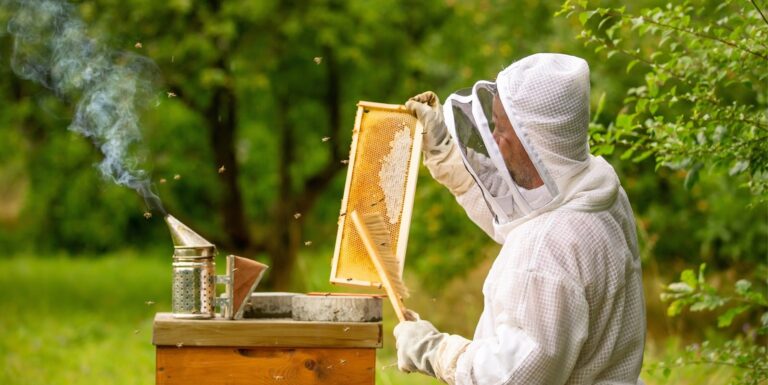
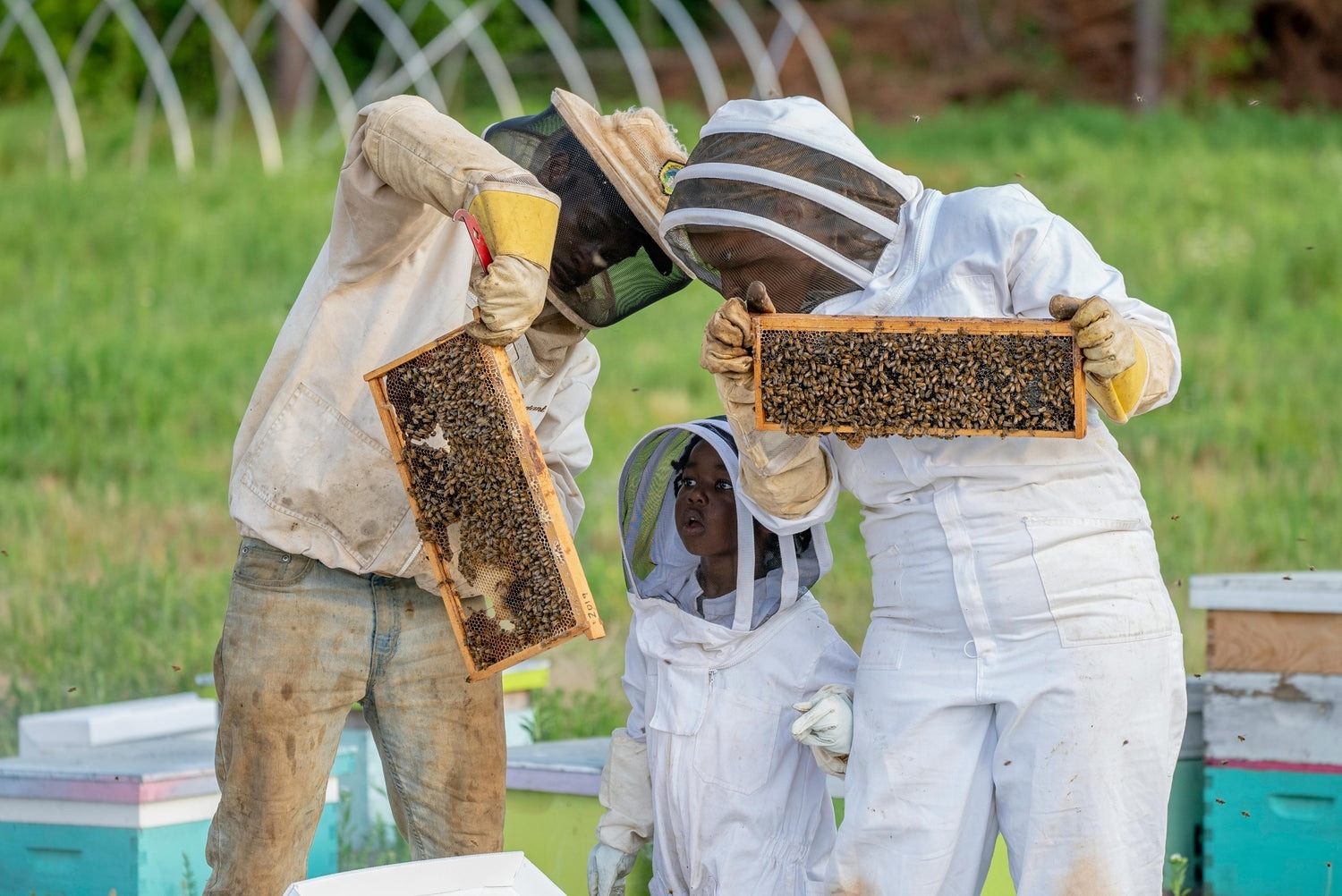
A beekeeper suit, veil, and gloves protect against bee stings. Calm and safe inspections are important, especially when feeding bees, as opening the hive can sometimes make bees defensive.
Smoker and Hive Tool
A smoker helps calm bees during inspections by reducing their defensive behavior. A hive tool is used to open hive boxes, remove frames, and clean wax or propolis buildup. These tools are used almost every time you work with a hive.
Beehives, Frames, and Foundations
Beehives provide shelter and structure for the colony. Frames and foundation sheets guide bees to build organized honeycomb, making hive management and feeding easier.
Honey Harvesting Tools
When honey is ready, tools like uncapping knives, extractors, and strainers help collect honey cleanly and safely.
What Are Bee Feeders?
Bee feeders are special containers used to provide extra food to bees when natural nectar sources are limited. They are commonly filled with sugar syrup or other bee-safe supplements.
Feeders are especially useful during:
- Early spring
- Late autumn
- Winter shortages
- Drought periods
After hive splitting or requeening
Why Bee Feeders Are Important
Bees rely on flowers for nectar and pollen, but nature is not always predictable. Poor weather, habitat loss, or seasonal changes can leave bees without enough food.
Bee feeders help:
- Prevent starvation
- Support brood growth
- Strengthen weak colonies
- Help new colonies settle
- Prepare hives for winter
A well-fed colony is calmer, healthier, and more productive.
Types of Bee Feeders
Entrance Feeders
These feeders sit at the hive entrance and are easy to install. They are best for warm weather but may attract robbing bees from nearby hives.
Top Feeders
Placed on top of the hive, these feeders are popular because they reduce robbing and allow feeding without disturbing the hive too much.
Frame Feeders
Frame feeders fit inside the hive like a regular frame. They are safe and reduce spillage but require opening the hive for refilling.
Boardman Feeders
These are simple external feeders used mostly by beginners. While easy to use, they should be monitored closely to avoid attracting pests.
Choosing the Right Bee Feeder
The best feeder depends on the season, hive strength, and beekeeper preference. For colder weather, internal feeders work better because bees can access food without leaving the hive. During warm seasons, entrance or top feeders may be more convenient.
Always use clean feeders and fresh syrup to avoid disease or contamination.
How Bee Feeders Work with Beekeeping Supplies
Bee feeders are just one part of a complete beekeeping system. Protective clothing ensures safe feeding, smokers keep bees calm, and strong hives protect food supplies from pests and weather.
Using high-quality supplies reduces stress on the colony and makes feeding easier and more effective.
- Common Feeding Mistakes to Avoid
- Overfeeding during honey flow
- Using contaminated or fermented syrup
- Feeding during robbing seasons without protection
- Leaving feeders empty for long periods
Correct feeding practices support colony health and prevent problems.
Final Thoughts
Bee feeders are an essential part of modern beekeeping. Along with quality beekeeping supplies, they help beekeepers care for their colonies during times when nature cannot provide enough food.
Whether you are feeding bees in early spring or preparing them for winter, the right feeder and proper equipment make a big difference. Healthy bees produce better honey, survive longer, and create stronger colonies.